
Reviving Heirloom Wood, Honoring Timeworn Beauty
Patina, Memory, and the Gentle Art of Conservation
Why Patina Matters Beyond Shine
A mirror-like gloss can be seductive, yet it often erases subtle burnish, oxidized warmth, and the gentle topography carved by generations. Patina holds provenance and comfort, guiding us toward conservation instead of replacement. Protecting it means less material loss, fewer harsh chemicals, and a truer, more human connection to the maker’s intent, the wood’s journey, and the family memories layered into every softened edge and time-worn corner.
Conservation Principles for Everyday Makers
Minimal intervention, reversibility, compatibility, and documentation anchor trustworthy decisions. Use the least aggressive method that achieves a safe, stable improvement. Prioritize materials that can be undone without collateral damage. Seek compatibility between old substrates and new additives. Record every step, so the next caretaker understands your logic, products, and courage to stop before overdoing. These principles reduce environmental impact and help your confidence grow with each thoughtful, careful pass.
A Family Table’s Quiet Lessons
Consider a walnut table with faint ring shadows from winter tea and a sun-softened edge polished by elbows and laughter. Heavy sanding would flatten stories into uniformity. Instead, gentle cleaning, small reversible fills, and a breathable finish protect that unmistakable glow. The family notices everything they love is still present, only steadier and safer. Their gratitude becomes your compass, proving that restraint and sustainability can be both ethical and emotionally resonant.
Thoughtful Assessment Before the First Swab

Cleaning with Care: From Dust to Dissolved Grime
Dry Methods that Respect Fragile Finishes
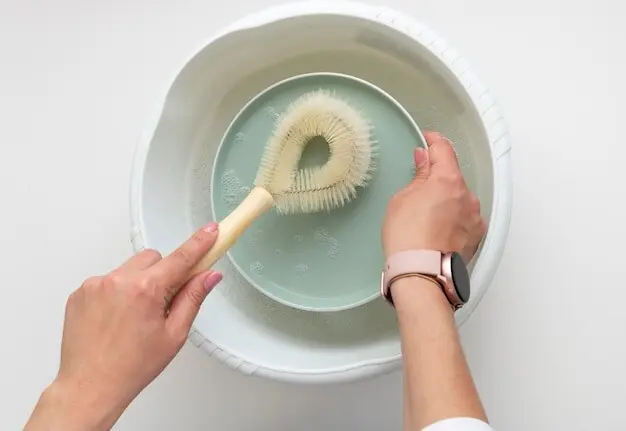
Use a soft goat-hair brush and a HEPA micro-attachment to lift loose dust without grinding grit across vulnerable surfaces. Cosmetic sponges and vulcanized rubber soot sponges can reduce grime with surprising gentleness. Support thin veneers and carvings from beneath to prevent flex fractures. These careful dry passes often reclaim luminosity on their own, reducing the need for wet work, conserving materials, and keeping intrusive chemicals and energy-heavy processes comfortably off the bench whenever possible.
Aqueous Solutions, pH, and Wood Fibers
When water is appropriate, favor deionized water with a touch of non-ionic surfactant, applied sparingly with rolling swabs to avoid flooding end grain. Keep pH near neutral, work in small zones, and immediately dry with lint-free cloths. Test first near an inconspicuous edge. Monitor feathering around cracks or veneer seams. Proper aqueous cleaning can lift sticky films while protecting fibers, supporting sustainability through minimal chemical load and reduced solvent volatility in your workspace environment.
Solvents, Gels, and Safer Alternatives
If stubborn residues persist, consider solvent gels or emulsions that confine action to the surface, reducing penetration and emissions. Choose low-toxicity carriers and ventilate well. Use timed dwell and gentle mechanical action, then neutralize and recondition as needed. Always compare outcomes against ethical baselines: Did patina remain intact? Did we remove only what truly obscured? By insisting on containment, restraint, and greener formulations, you keep character alive while protecting your body and the planet.
Stability First: Reversible Repairs and Honest Joinery
Choosing Glues with a Future Exit Strategy
Mechanical Fixes that Hide in Plain Sight
Clamping, Alignment, and Patience
Finishes that Breathe: Shellac, Oils, and Waxes
{{SECTION_SUBTITLE}}

Refreshing Shellac without Erasing History
Oils that Nourish, Not Smother

Color Matching, Toning, and the Illusion of Continuity
All Rights Reserved.